Calm Sophistication: Neutral Palettes and Layered Textures for Refined Living

Step into a world where serenity meets intention, as we explore Neutral Color Palettes and Textural Layering for Refined Living Spaces. Discover how nuanced hues, tactile surfaces, and mindful composition create rooms that feel quietly luxurious, deeply personal, and endlessly adaptable. From selecting balanced undertones to orchestrating fabrics, woods, stone, and metal, you will learn practical methods that honor comfort and precision. Expect actionable tips, intimate stories, and inspiring visuals that invite you to edit thoughtfully, elevate simply, and live beautifully every single day.

Foundations of Subtle Color Harmony

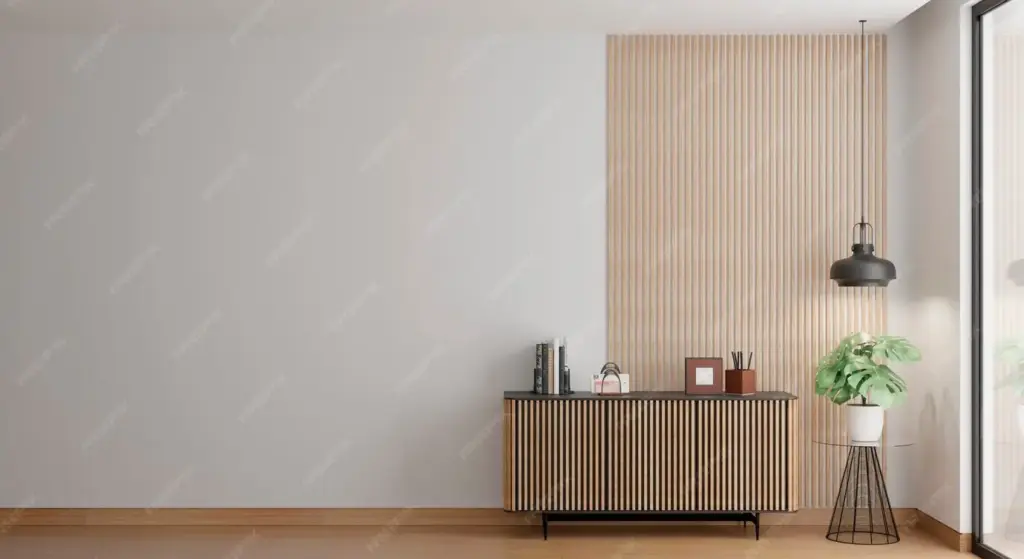
Begin with the quiet power of restraint. Building a neutral palette is less about removing color and more about curating undertones that complement light, architecture, and lifestyle. By mapping a spectrum from warm oatmeal and mushroom to cool stone and charcoal, you create continuity without monotony. Careful repetition across paint, textiles, and flooring forms a gentle rhythm, while reserved accents gain meaning, guiding the eye and settling the space with confident calm.

Undertones that Quietly Shape a Room

Undertones decide whether a beige whispers warmth or drifts into chill, whether a gray soothes or turns stormy. Test large samples on multiple walls, observe them with morning sun and evening lamps, and compare against flooring, trim, and upholstery. Notice how wood species shift perception, with oak emphasizing green notes and walnut highlighting red. By identifying the hidden hue, you prevent surprises and compose a room that looks consistent, honest, and beautifully intentional.

Balancing Warm and Cool Neutrals

Warm neutrals comfort; cool neutrals clarify. Together they create an elegant equilibrium. Use a dominant family for cohesion, then sprinkle counterbalancing notes through textiles, artwork mats, or small furniture finishes. A warm limestone fireplace pairs gracefully with cooler linen drapery, while a dove-gray wall enjoys the company of camel leather. This calibration avoids dullness and prevents temperature overload, yielding spaces that remain grounded in calm while feeling responsive to changing seasons and moods.

From Wall to Fabric: A Cohesive Spectrum

Treat every surface as part of a continuous spectrum, not isolated moments. Select wall colors first to establish mood, then echo their undertones across drapery, rugs, and upholstery, adjusting saturation rather than changing families entirely. A parchment wall, sand sofa, and bone curtain share kinship without redundancy. Introduce slightly darker tones on floors or accent chairs, allowing depth to build quietly. This approach unifies the room elegantly, supporting art, objects, and life without demanding attention.

Layered Texture as Daily Comfort

Tactile Pairings That Invite Touch

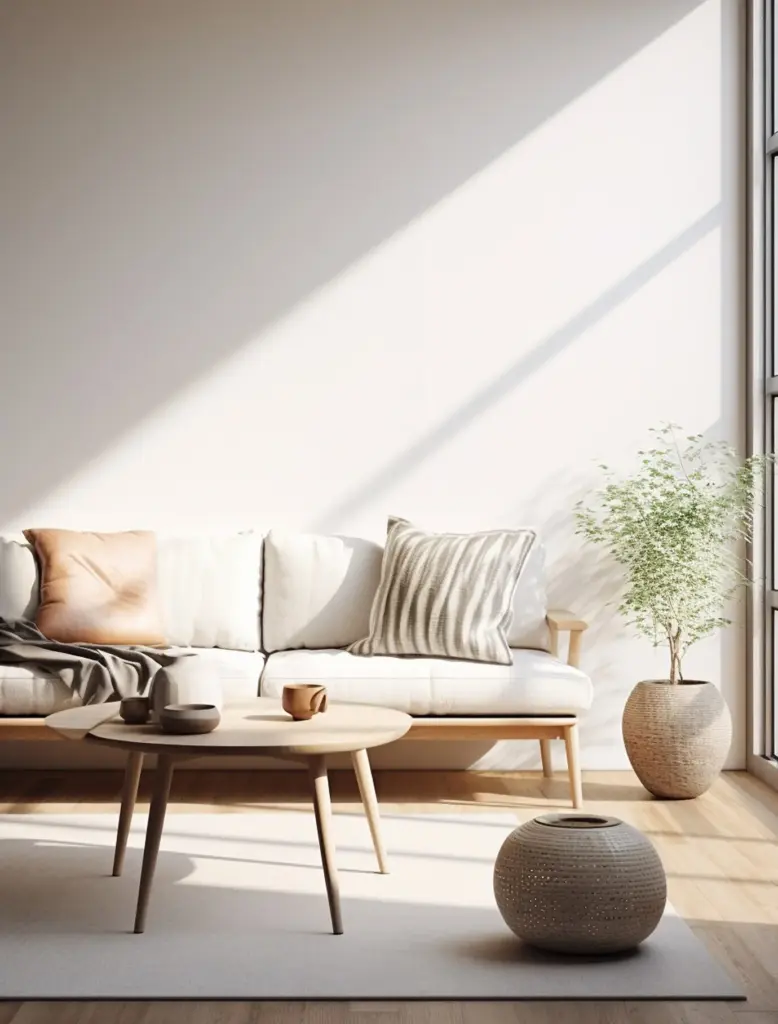
Curate tactile duets that spark curiosity without visual clutter. A nubby bouclé pillow beside a velvety throw encourages the hand to compare and linger. A ribbed ceramic lamp base against a silk shade turns light into texture. Place a raw-edged linen runner over a smooth oak table to highlight grain, then drop a stoneware bowl for grounding. Each pairing whispers contrast, slowing the eye, calming the breath, and making daily rituals feel quietly special.

Natural Materials, Honest Finishes

Curate tactile duets that spark curiosity without visual clutter. A nubby bouclé pillow beside a velvety throw encourages the hand to compare and linger. A ribbed ceramic lamp base against a silk shade turns light into texture. Place a raw-edged linen runner over a smooth oak table to highlight grain, then drop a stoneware bowl for grounding. Each pairing whispers contrast, slowing the eye, calming the breath, and making daily rituals feel quietly special.

Contrasts Without Chaos

Curate tactile duets that spark curiosity without visual clutter. A nubby bouclé pillow beside a velvety throw encourages the hand to compare and linger. A ribbed ceramic lamp base against a silk shade turns light into texture. Place a raw-edged linen runner over a smooth oak table to highlight grain, then drop a stoneware bowl for grounding. Each pairing whispers contrast, slowing the eye, calming the breath, and making daily rituals feel quietly special.

Light, Shadow, and the Nuance of Finish

Sheen controls the conversation between color and light. Matte walls hide imperfections and absorb brightness, ideal for relaxing volumes. Satin adds gentle reflection that sharpens millwork profiles without feeling slick. Semi-gloss, reserved for trim or doors, creates crisp edges and a durable frame. Use one sheen more than others for coherence, then place highlights strategically. This quiet dialogue sculpts shadow, celebrates craftsmanship, and lets your palette achieve depth without relying on louder, faster solutions.
Stand in each corner at different hours and notice temperature shifts, hotspots, and flat zones. Cooler northern light often needs warmer textiles, while southern exposures can tolerate cooler grays. At night, build layered lighting: ambient for overall glow, task for purpose, accent for drama. Use dimmers to taper intensity before bedtime, allowing textures to soften and edges to relax. When daylight and artificial light are choreographed, your neutrals remain honest, welcoming, and beautifully legible.
Reflective surfaces brighten neutrals without harshness when chosen thoughtfully. Antiqued mirrors blur reflections, adding shimmer without glare. Brushed brass warms, while polished nickel cools with a refined sparkle. Place reflective elements opposite natural light sources to double daylight, then soften with gauzy linen sheers or parchment shades. The balance of reflectivity and diffusion creates a glow that feels alive yet composed, turning quiet colors and layered textures into a deeply nuanced, luminous experience.

Small Spaces, Big Calm

Compact rooms reward discipline, clarity, and thoughtful rhythm. A restrained neutral palette stretches visual boundaries by minimizing contrast seams, while layered textures keep everything welcoming. Choose slender profiles, leggy furniture, and wall-mounted pieces to reveal more floor. Use tone-on-tone drapery to elongate walls, mirrors to guide light, and multipurpose textiles to soften acoustics. Edit often, prioritize comfort, and let negative space breathe so the room feels generous, collected, and beautifully unhurried.

Color Continuity Across Tiny Footprints

Extend the same base hue through adjacent rooms, shifting only depth for function. A light mushroom in the living area might deepen to taupe in a hallway and soften to parchment in a nook. This continuity unifies sightlines, making small spaces read as one composition. Add texture changes rather than color changes—bouclé here, linen there—to create identity without fragmentation. The eye glides, the mind relaxes, and footage feels larger than the tape measure suggests.

Storage as Visual Silence

Clutter is the loudest color. Conceal it with built-ins painted to blend with walls, frameless doors, and finger pulls that keep lines uninterrupted. Baskets in natural fibers corral daily items while contributing texture instead of noise. Choose closed storage for irregular objects and open display only for calm groupings. When surfaces are clear, every neutral reads richer, every texture more intentional. The result is visual silence that supports focus, restoration, and gracious everyday movement.

Budget Layers that Feel Elevated

Prioritize high-impact neutrals and textures where your body meets them: sofa fabric, rug underfoot, bedding against skin. Save on easily replaced accents like pillows or trays. Mix accessible pieces with one or two storied finds—vintage wood, artisan pottery—to introduce soul. Paint can transform mismatched furniture into a coherent family, while simple linen panels dignify windows. Thoughtful sequencing, not extravagant spending, makes small spaces look tailored, timeless, and quietly generous to those who live there.

A Story from a Quiet Townhouse

In a narrow townhouse, a young couple sought calm after long city days. We began with layered neutrals inspired by the building’s original limestone: parchment walls, putty trim, and stone-gray doors. Texture came through washed linen, hand-loomed wool, and wire-brushed oak. Brass warmed evening light; nickel cooled the sunny breakfast corner. The transformation felt immediate—rooms learned to breathe. Friends commented not on color, but on how present they felt, as if the home exhaled.

Mapping the Palette to History

We sampled paint beside the century-old banister, discovering how its patina leaned green. That clue steered us away from pink-beige and toward mushroom and greige with subtle olive undertones. Repetition connected floors, doors, and built-ins without monotony. A single charcoal console grounded the entry, echoing iron railings. Nothing shouted; everything conversed. Guests noticed continuity before specifics, sensing a respectful dialogue between past and present, restraint and warmth, polish and the charming imperfections of age.

Texture That Tells the Daily Story

The couple loved to read on the sofa and cook late. We layered a tightly woven rug for crumbs, a bouclé ottoman for propping feet, and washable linen cushions for relaxed moments. Kitchen stools in saddle leather embraced wear, while a plaster hood softened the metal appliances. Even the art frames contributed texture—oak, blackened steel, and linen mats. Over time, tiny marks added depth rather than stress, turning routine evenings into rituals of comfort.

Measuring Calm by How Life Feels

After installation, we checked not just photographs but breathing. Were conversations gentler, sleep deeper, mornings steadier? The answer arrived in small confessions: less phone scrolling, more tea, softer footsteps on wool. Neutral colors stopped demanding judgment, and textures invited presence. The home began hosting piano practice, quiet dinners, and laughter that did not echo sharply. Success became feelable, not performative, reminding us that design matters most when it helps people live kindly.

Styling, Care, and Evolving with the Seasons

Neutral rooms thrive when styled with restraint and maintained with love. Rotate textures seasonally—lighter linen in summer, dense wool in winter—while preserving the palette’s core. Clean gently, protect finishes, and repair early so patina remains character, not neglect. Introduce fresh branches, books, or ceramics instead of bright colors when craving change. Invite conversation, share sources, and photograph progress; returning to intention keeps the space refined, responsive, and genuinely yours through every season of life.
Vivozutuvefefevoxa
Privacy Overview

This website uses cookies so that we can provide you with the best user experience possible. Cookie information is stored in your browser and performs functions such as recognising you when you return to our website and helping our team to understand which sections of the website you find most interesting and useful.